


Copy Link


Sustainability is at the heart of Keppel’s real estate strategy, shaping how the Company invests, operates and creates value for its Limited Partners. As Bridget Lee, CIO, Real Estate, and Tan Szue Hann, Director of ESG Strategy, Fund Management & Investment and Head of Sustainability, Real Estate, shared at Keppel NEXT 2025, Keppel’s Sustainable Urban Renewal (SUR) strategy is not just about greening buildings – it is about adding value and crystallising it from existing assets to drive both strong investment returns and positive environmental impact.
A distinctive approach to urban renewal
Keppel’s SUR approach focuses on acquiring vintage buildings and performing fast, efficient upgrades to improve their sustainability and value. “We analyse the asset’s highest and best use, which could involve a change in title use. It’s not just office for office,” Lee explained. “We identify opportunities for improvement and then apply our SUR solutions to unlock greater value in the asset, thereby generating stronger returns for our investors.”
This adaptive reuse is central to Keppel’s SUR strategy. In South Korea, for example, a hotel has been repurposed into office space. In China and Australia, potential projects are being pursued to convert offices into living spaces. “We look at how we change and optimise the use,” Lee said, “and we retrofit and make the best adaptive reuse of buildings.”
Lee cited the transformation of a heritage office building in North Sydney into a top-ranked private school as a standout example. “We preserved the building’s heritage integrity while creating a world-class environment,” she shared. The project delivered close to a 20% increase in net leasable area and over 60% uplift in rental income, earning multiple awards both in Australia and internationally. “The team worked closely with the tenant, the operator, and the authorities to get the necessary approvals and reconfigure it into a brand new architectural concept,” she added.
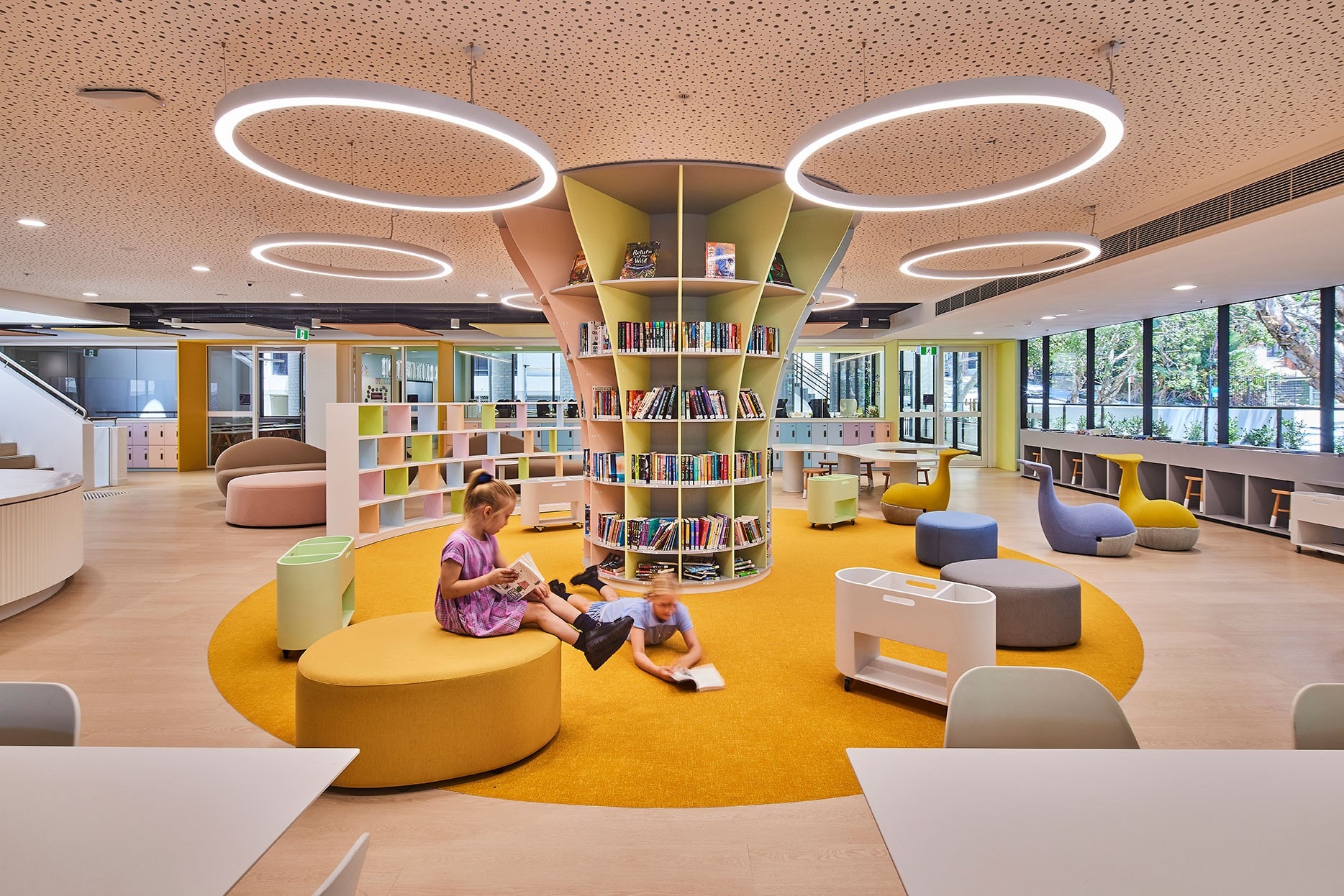 Keppel transformed a heritage office building in North Sydney into a top-ranked private school, Reddam House North Shore, offering a state-of-the-art learning environment.
Delivering tangible results
Keppel’s headquarters in Singapore, Keppel Bay Tower, is a showcase of SUR in action. “We implemented a retrofitting exercise with a suite of SUR solutions, even as the building was in full operations,” Lee noted. Completed in 2019, the upgrades have contributed to boosting the building’s net operating income by 31%, and generated an estimated $160 million uplift in asset value. “Our rental for that building is at a 10% premium to the surrounding buildings, and importantly, we reduced energy use intensity by more than 30%,” she said.
Threefold strategy for carbon savings
As Tan explained, SUR is not just about preserving structures — it is about preserving carbon and unlocking long-term value.
“We look at a threefold strategy,” he said. “First is carbon avoidance, when we choose a retrofit strategy versus redevelopment, avoiding embodied carbon emissions. Second, we run a suite of SUR solutions to improve performance over time, leading to savings and appreciation in building value. Third, we look at recarbonisation, extending the carbon content, the material content, through recycled or recyclable materials.”
Innovation is also important. “There are many available solutions out there. While we pick the ones that are the most apt, we also innovate over time, such as through the curatorship and integration of a toolkit of solutions,” Tan said. “Through these different playing cards, we select what is right for the asset, what is right for its use, as well as what is right for the climate.”
A prime example is the 45-year-old INNO88 Tower in Seoul, where Keppel integrated sustainability features such as high-performance facades, energy-efficient cooling and heating systems, smart lighting, indoor air quality monitoring, as well as intelligent building controls to enhance operational efficiency. The project is on track to deliver a 26% increase in net lettable area and aims for a 30% reduction in energy consumption at steady state.
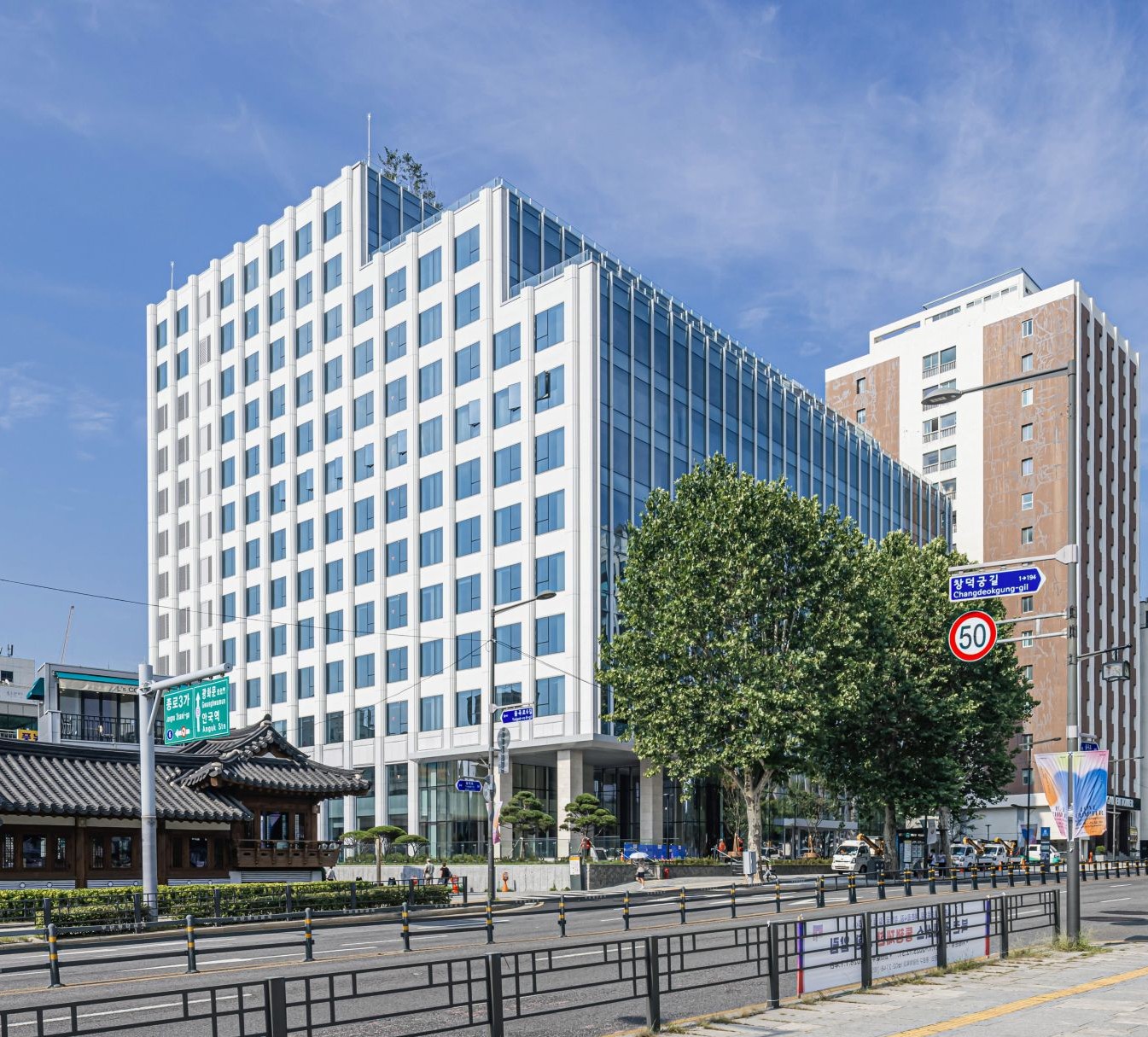 SUR upgrades at INNO88 Tower in Seoul are set to cut energy use by 30% and expand net lettable area by 26%.
Keppel leverages digital twins and data dashboards to track and manage building performance in real time. “We track and manage the data that comes into the digital twin relative to its performance, occupancy, and potential trends. Early fault detection leads to savings, which in turn leads to improvements in operating income and greater returns,” Tan explained.
Creating value for investors and the environment
Keppel’s SUR strategy demonstrates that sustainability and value creation go hand in hand. By combining adaptive reuse, targeted retrofits and digital innovation, Keppel is delivering strong, tangible returns for investors while advancing the decarbonisation of the built environment.
